Reviewing Made to Worship Psalm 95 1 for Stitchers
As a designer who has spent countless hours digitizing and testing embroidery patterns, I approach every new file with a mix of curiosity and caution. When I first loaded Made to Worship Psalm 95 1 into my software, my immediate goal was not just to admire the aesthetics, but to determine its viability for real-world production. This is not merely a digital asset; it is a potential centerpiece for a handmade product that needs to withstand washing, wearing, and the scrutiny of customers who value quality. Whether you are an Etsy seller looking to expand your spiritual apparel line or a hobbyist creating personalized gifts, understanding how this design translates from screen to fabric is crucial.
First Impressions: Mood and Visual Personality
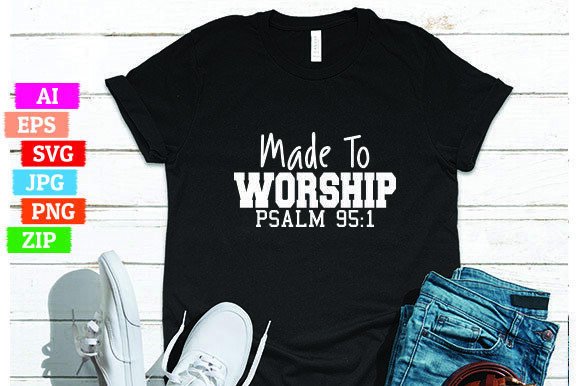
The phrase "Made to Worship" paired with the reference to Psalm 95:1 carries a specific weight. It is inviting, reverent, and celebratory. Visually, the design leans into a clean, modern typographic style that balances readability with artistic flair. For embroidery, this is a significant advantage. Overly ornate scripts can often become illegible when stitched, especially at smaller sizes, but the structure here suggests clarity. The mood it creates is one of quiet confidence, making it suitable for a wide range of applications beyond just church events. It feels at home on casual weekend wear as much as it does on more formal boutique items.
When evaluating the layout, I look for balance. A top-heavy design can pull on lightweight fabrics, while a design that is too wide may not fit standard hoop sizes without resizing. Made to Worship Psalm 95 1 appears to have a compact footprint, which is ideal for versatility. It does not demand a massive 8x10 hoop, meaning it can likely fit into 5x7 or even 4x4 hoops if scaled appropriately, though one must always check the minimum recommended size to avoid losing detail in the lettering.
Real-World Application: From Digital File to Finished Product
To truly test the worth of any embroidery file, I imagine it in specific scenarios. Let’s consider a custom embroidered tote bag. Tote bags are typically made from canvas or heavy cotton, which provides a stable base for stitching. The bold nature of this design would stand out beautifully against a natural beige or white canvas. The text would serve as a statement piece, appealing to customers who want their faith visible in their daily accessories. Because the design is categorized under Freebies and Graphics, it offers a low-risk opportunity for small shop owners to test market interest without a high upfront investment in premium design assets.
Another strong candidate for this pattern is sweatshirt embroidery. Hoodies and crewnecks have become staples in custom apparel. The thick fabric of a sweatshirt supports denser stitch counts well, preventing the design from sinking into the fleece. Here, the contrast between the thread colors and the garment color becomes critical. A white or light gray thread on a navy or black sweatshirt would create a striking visual pop, enhancing the professional look of the finished product. For baby embroidery, such as on a onesie or a soft blanket, the design would need to be scaled down significantly. In this context, simplicity is key. If the original file contains fine details, they might merge together on small scales, so a test run on scrap fabric is non-negotiable.
Technical Considerations for the Embroiderer
While the aesthetic appeal is high, the technical execution determines whether a project succeeds or fails. One of the primary concerns with text-based designs is stitch density. If the digitizer has used too many fill stitches in a small area, the fabric can pucker, especially on thinner materials like t-shirts or tea towels. Before committing to a final product, I always advise checking the stitch count and density settings in your embroidery software. If the design feels too dense, adding a cut-away stabilizer can help support the fabric, but it adds stiffness that might not be desirable for all garments.
Fabric texture also plays a pivotal role. On textured fabrics like waffle knit or terrycloth, small details can get lost. Made to Worship Psalm 95 1 relies on clear letterforms, so it performs best on smooth, tightly woven fabrics. If you are working with stretchy fabric, such as jersey knits for t-shirts, using a proper stabilizer is essential to prevent distortion during the stitching process. Additionally, curved surfaces like caps present a unique challenge. The design must be centered perfectly, and the curvature can distort the perception of the text. I recommend using a cap frame and testing the alignment on a spare hat before stitching the final item.
Navigating Limitations and Best Practices
There are situations where this design should be used with care. Dark fabrics require careful selection of thread colors. While white thread is standard, it can sometimes appear translucent if the underlying fabric is very dark and the stitch coverage is not sufficient. In such cases, using an underlay stitch effectively or choosing a slightly off-white thread can improve opacity. Furthermore, tiny lettering can be problematic if the design is resized too small. The serifs or ends of letters may not stitch out cleanly, leading to a messy appearance. Always inspect the design at 100% zoom in your software to identify any potential trouble spots.
For those interested in commercial embroidery, licensing is a critical factor. Since this item is listed among Freebies, it is vital to confirm the specific license terms. Can you sell finished products featuring this design? Can you use it in digital bundles? Never assume that a free download equals unrestricted commercial use. Checking the license protects your craft business and ensures you are respecting the creator's rights. If the license allows for commercial use, this design can be a valuable addition to your portfolio, offering a high-quality look without the cost of premium custom digitizing.
Enhancing Brand Consistency and Customer Trust
Using consistent, high-quality designs helps build brand recognition. If your small shop specializes in faith-based items, having a cohesive look across your products—from aprons to pillow covers—creates a professional image. Made to Worship Psalm 95 1 fits well into this niche. Its clean lines and clear message align with modern trends in religious apparel, moving away from overly cluttered graphics to minimalist, impactful statements. This approach appeals to a broader demographic, including younger buyers who appreciate subtlety and style.
When creating printable mockups for your Etsy listings or website, ensure that the digital representation matches the stitched reality. Customers trust what they see, so accurate photos of the actual embroidered item are far more effective than generic digital previews. Show the texture of the threads, the neatness of the backing, and the drape of the fabric. These details convey quality and justify the price point of your handmade product.
Final Verdict for Designers and Makers
In conclusion, Made to Worship Psalm 95 1 is a versatile and visually appealing option for various embroidery projects. Its strength lies in its clarity and emotional resonance, making it suitable for everything from holiday gifts to everyday custom apparel. However, success depends on thoughtful execution. Test the design on scrap fabric, choose the right stabilizer, and respect the limitations of different materials. By paying attention to these practical details, you can transform a simple digital file into a cherished finished product that resonates with your customers. Whether you are a seasoned professional or a beginner exploring the world of machine embroidery, this design offers a solid foundation for creating meaningful, high-quality items.